

XRF Detection of Mercury in Fish
The Growing Challenge of Heavy Metal Contamination
Recent studies have highlighted concerning levels of mercury in canned tuna, a staple in many diets. The French NGO BLOOM conducted an independent analysis of 148 canned tuna samples from 5 European countries (England, Germany, Italy, France, and Spain). The results were unanimous—100% of the tested tins contained mercury, not a surprise. What was concerning though was that 57% of samples exceeded the strictest European mercury limit for fish (0.3 mg/kg). A tin from Petit Navire, purchased in a Paris Carrefour City, had a record mercury level of 3.9 mg/kg, 13 times higher than the most restrictive EU limit.
Mercury is a potent neurotoxin, posing significant health risks, especially to pregnant women and young children. Prolonged exposure can lead to neurological damage, cardiovascular disease, and developmental issues in infants. In the UK, the maximum permitted level of mercury in tuna is 1.0 mg/kg. The Food Standards Agency (FSA) advises that individuals trying to conceive or who are pregnant should limit tuna intake to four cans per week.
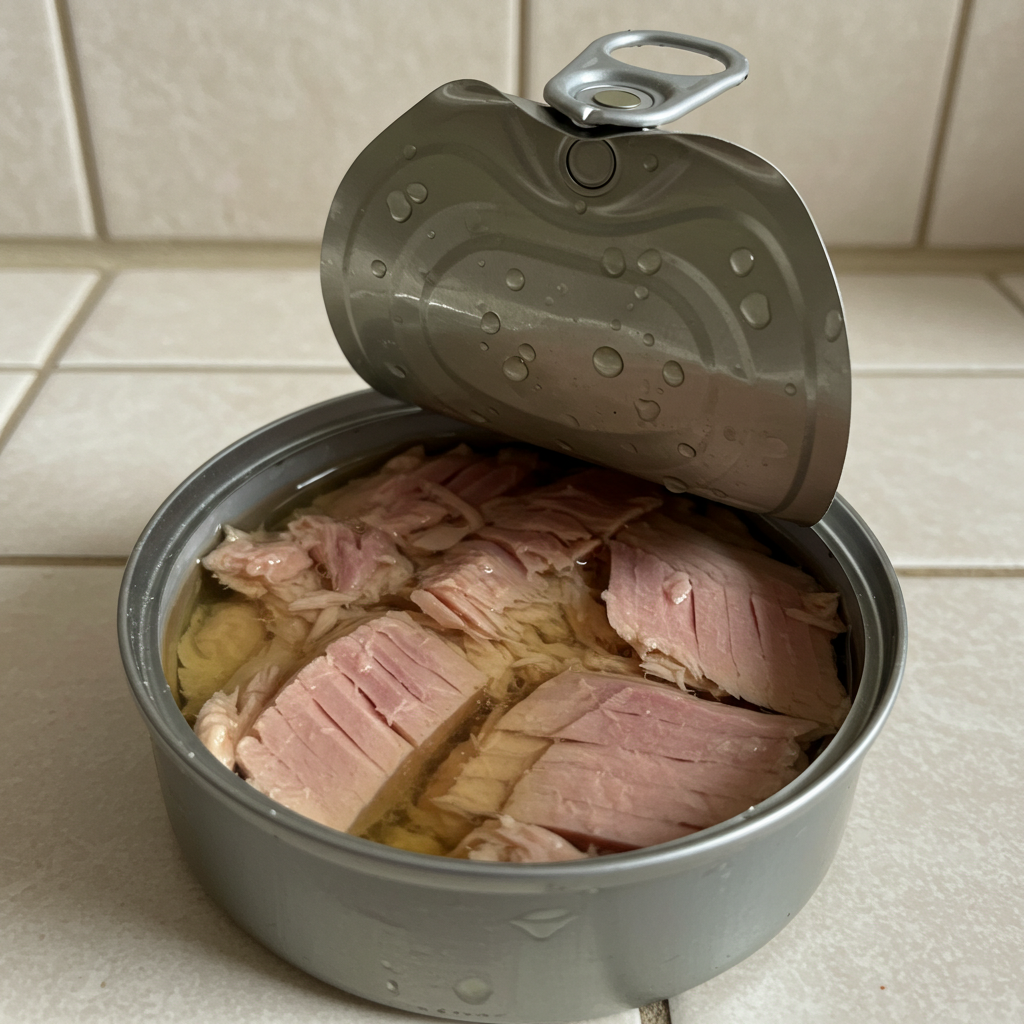
Given these findings, rigorous testing protocols are essential to ensure food safety. Traditional laboratory analysis methods such as ICP-OES and ICP-MS are highly sensitive, capable of detecting mercury at ppt (parts-per-trillion) levels, but they require extensive sample preparation, acid digestion, and take time. In contrast, on-site testing with rapid, portable methods can provide real-time protection against contaminated products.
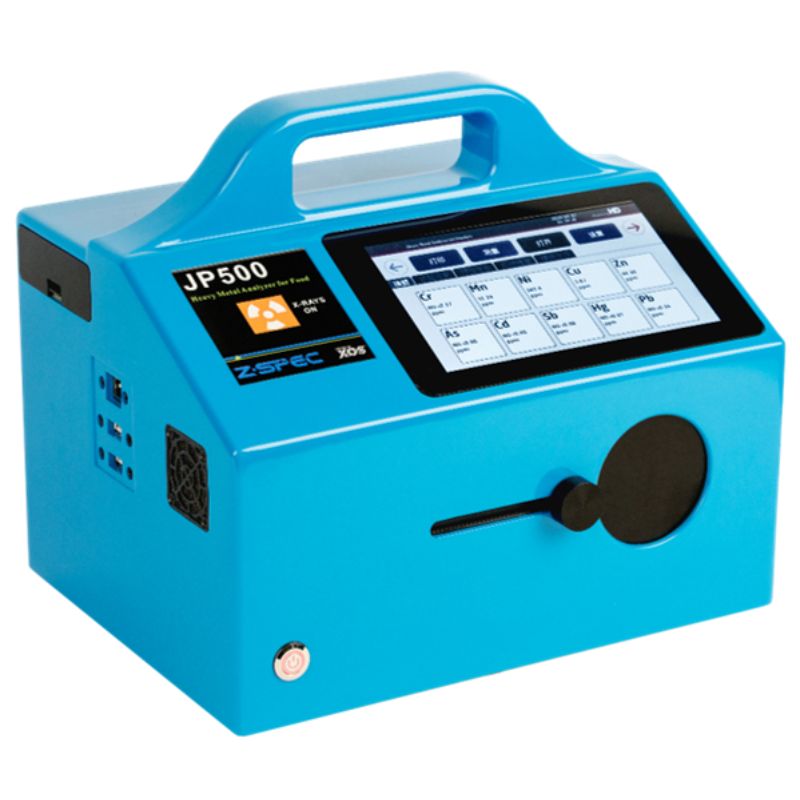
Introducing the Z-Spec JP500
Revolutionising Heavy Metal Detection
The Z-Spec JP500, powered by Monochromatic Energy-Dispersive X-Ray Fluorescence (HD XRF® / MXRF) technology, provides high-precision, on-site analysis of heavy metal contamination in food products without the complexity of traditional lab techniques.
- Ultra-low detection limits for mercury:
- Scanning Mode (100 seconds): 0.035 mg/kg
- Quantitative Mode (600 seconds): 0.015 mg/kg
- Minimal Sample Preparation: Eliminates the need for acid digestion or complex sample preparation.
-
Simultaneous Analysis: Each measurement takes just 200 seconds, and the instrument can analyse up 40 elements simultaneously!
- Faster Results: Provides reliable readings in as little as 100 seconds, compared to 2-6 minutes per sample for ICP techniques.
- Portable & Efficient: Enables food manufacturers, importers, and regulators to screen products before they reach consumers.
By adopting advanced tools like the Z-Spec JP500, food safety stakeholders can improve regulatory compliance, ensure consumer protection, and prevent highly contaminated seafood from reaching the market.
